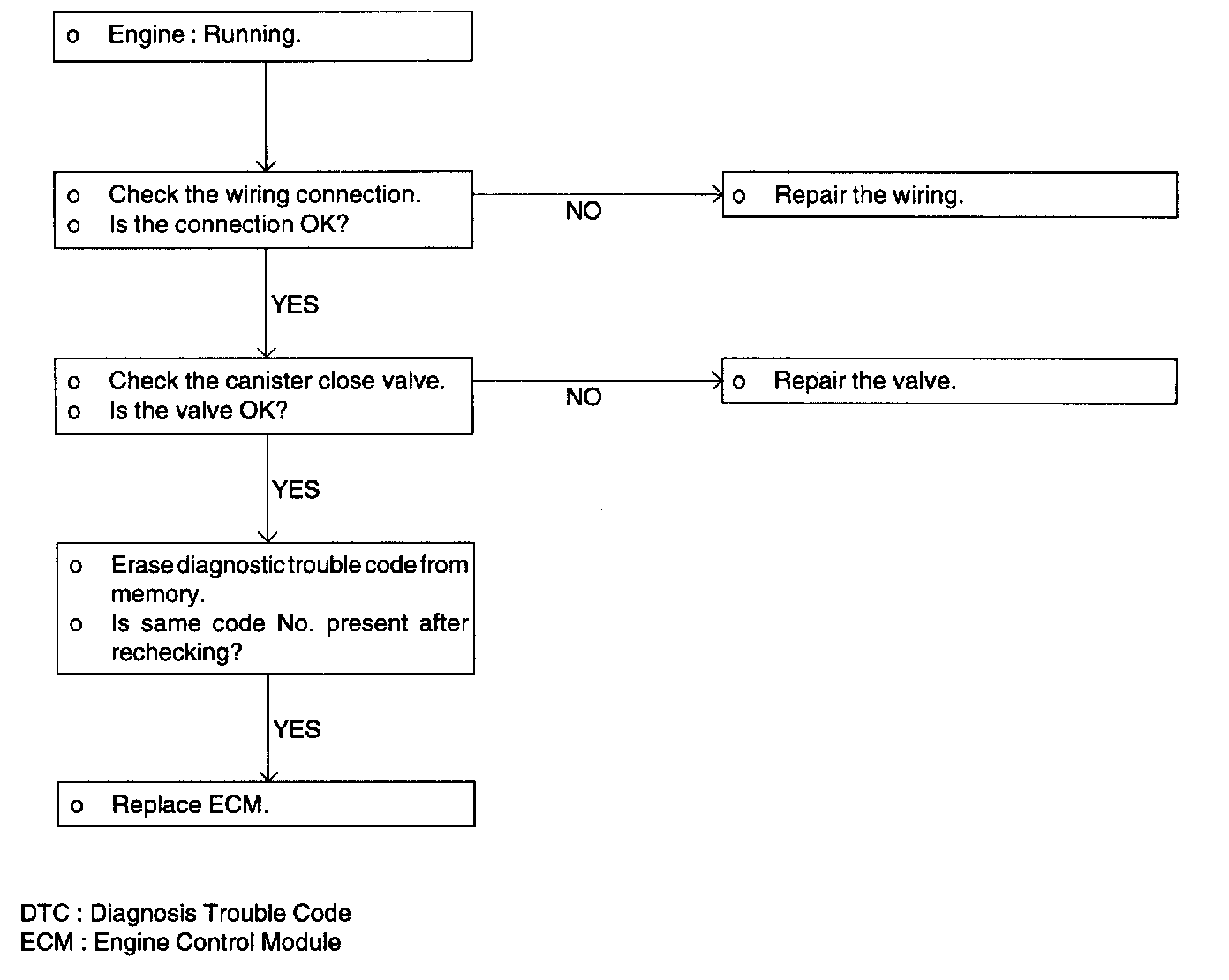
Leak Detection Solenoid: Testing and Inspection
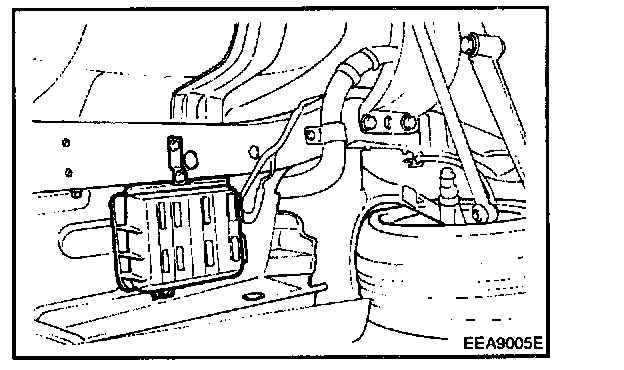
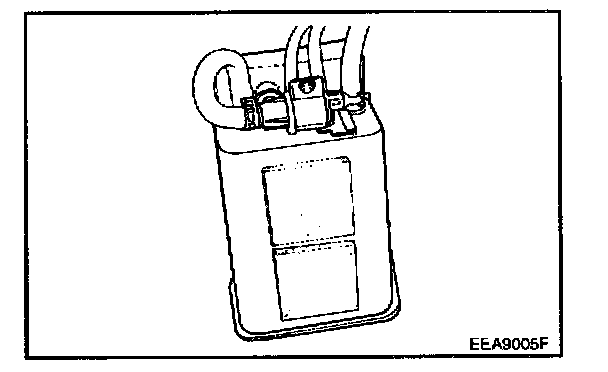
CANISTER
For monitor, there are a Canister Close Valve (CCV) and an air filter as the illustration.
1. Look for loose connections, sharp bends or damage to the fuel vapor lines.
2. Look for distortion, cracks or fuel leakage.
3. After removing the EVAP Canister, inspect for cracks or damage.
Check of canister close valve operating

1. Connect the CCV pins to a wire as shown.
2. At idle, disconnect the CCV connector.
3. Inspect that CCV is close when attaching the wire to (-) of battery.
4. Inspect that CCV is open when detaching the wire from (-) of battery.
NOTE In this case, if you use a very thin paper and attach it to hose on CCV, you can check the CCV condition.
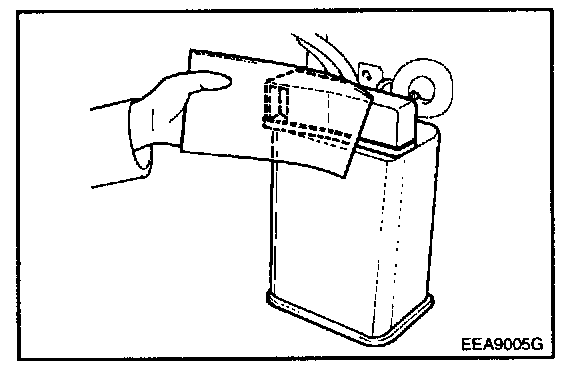
1. If the paper is drawn into or out, CCV is open.
2. If not, CCV is close.

Two-way valve
1. Inspect that air flows as shown.
2. Check to connect correctly such as the arrow mark on the valve.
Air filter
Look for distortion, cracks
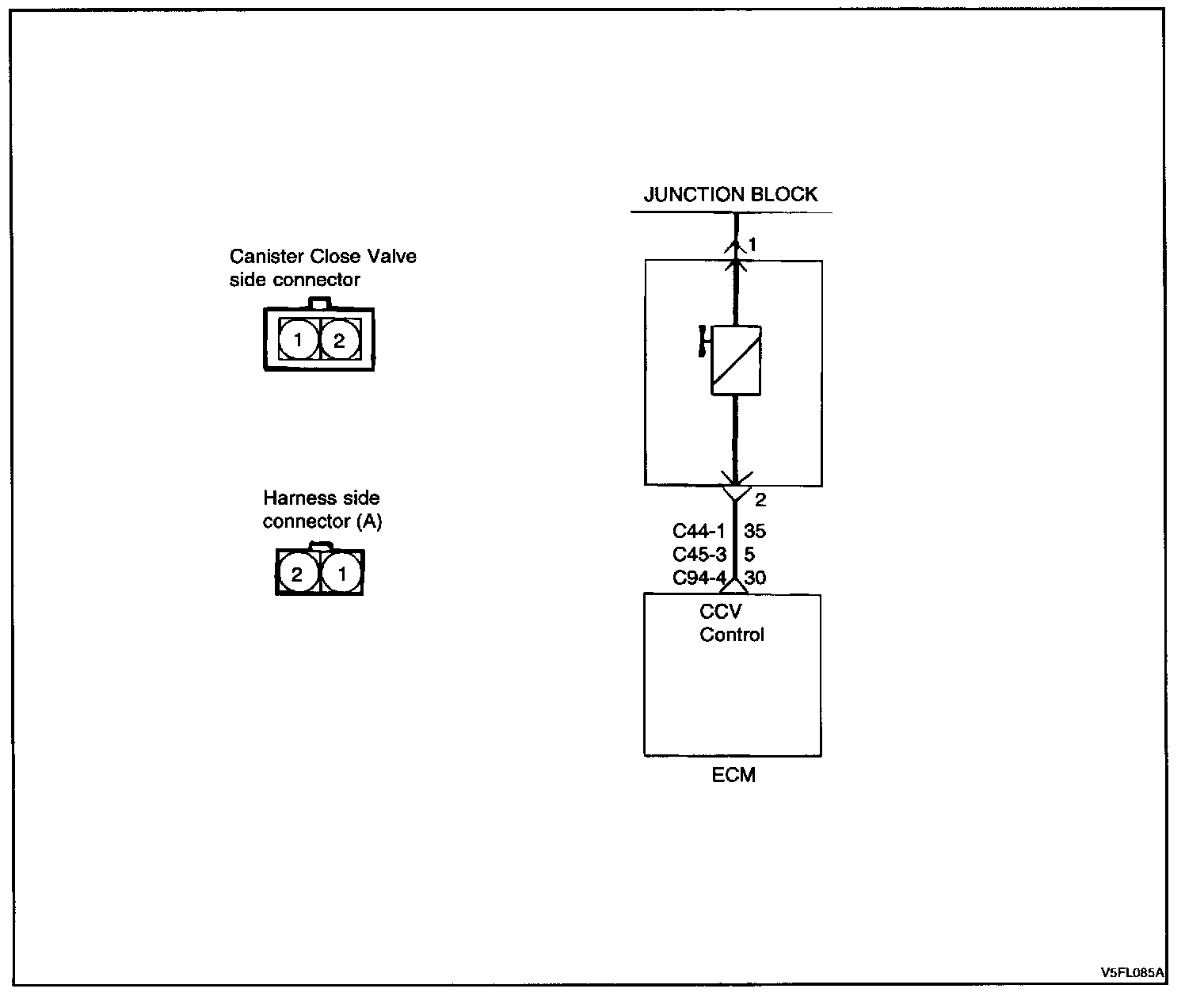
The Canister Close Valve (CCV) is an ON/OFF type which controls the inner pressure of fuel tank caused by fuel evaporation. It is used to close the evaporative system and to observe tank pressure respectively with the fuel tank pressure sensor.
Circuit Diagram:
Harness Inspection:
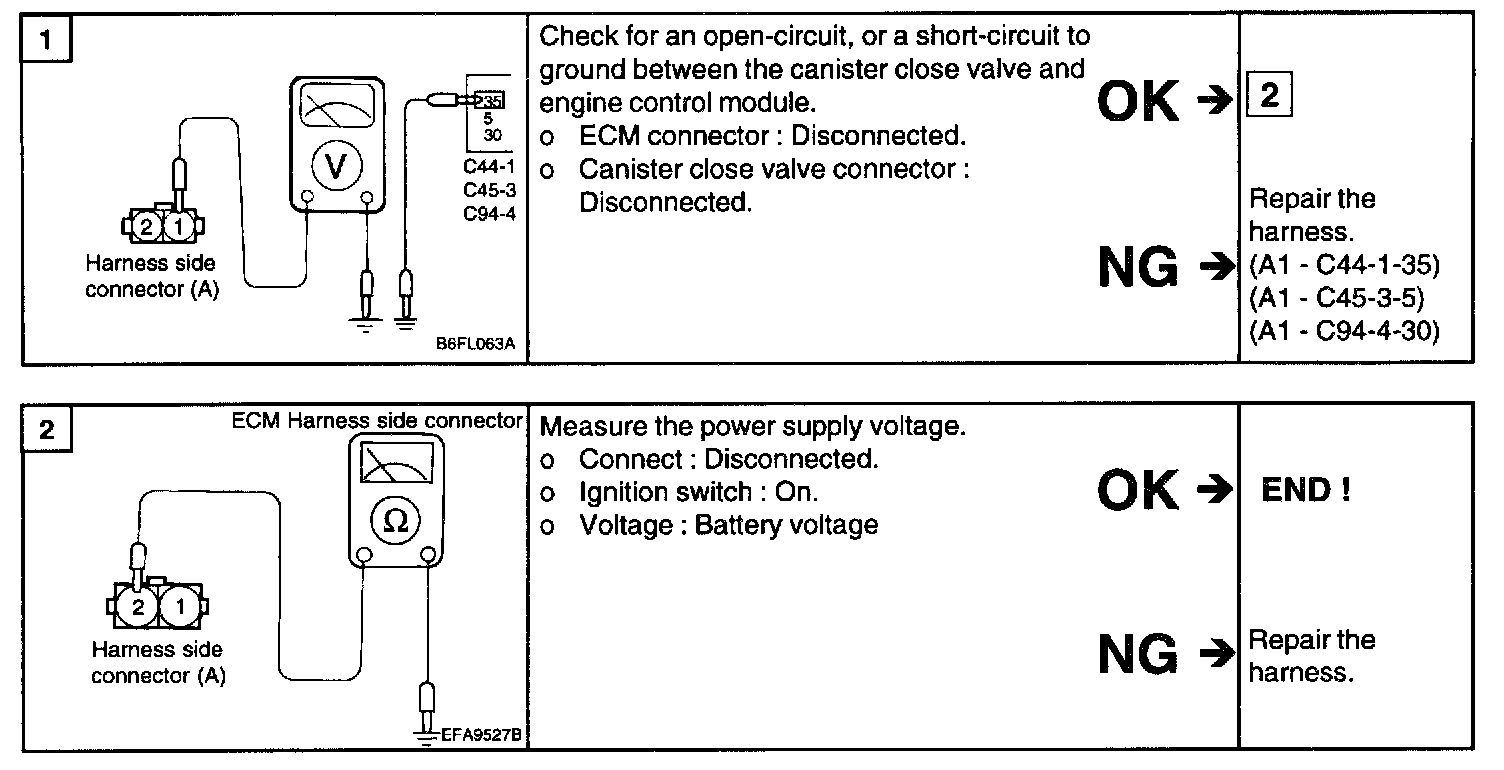
Troubleshooting Procedure: