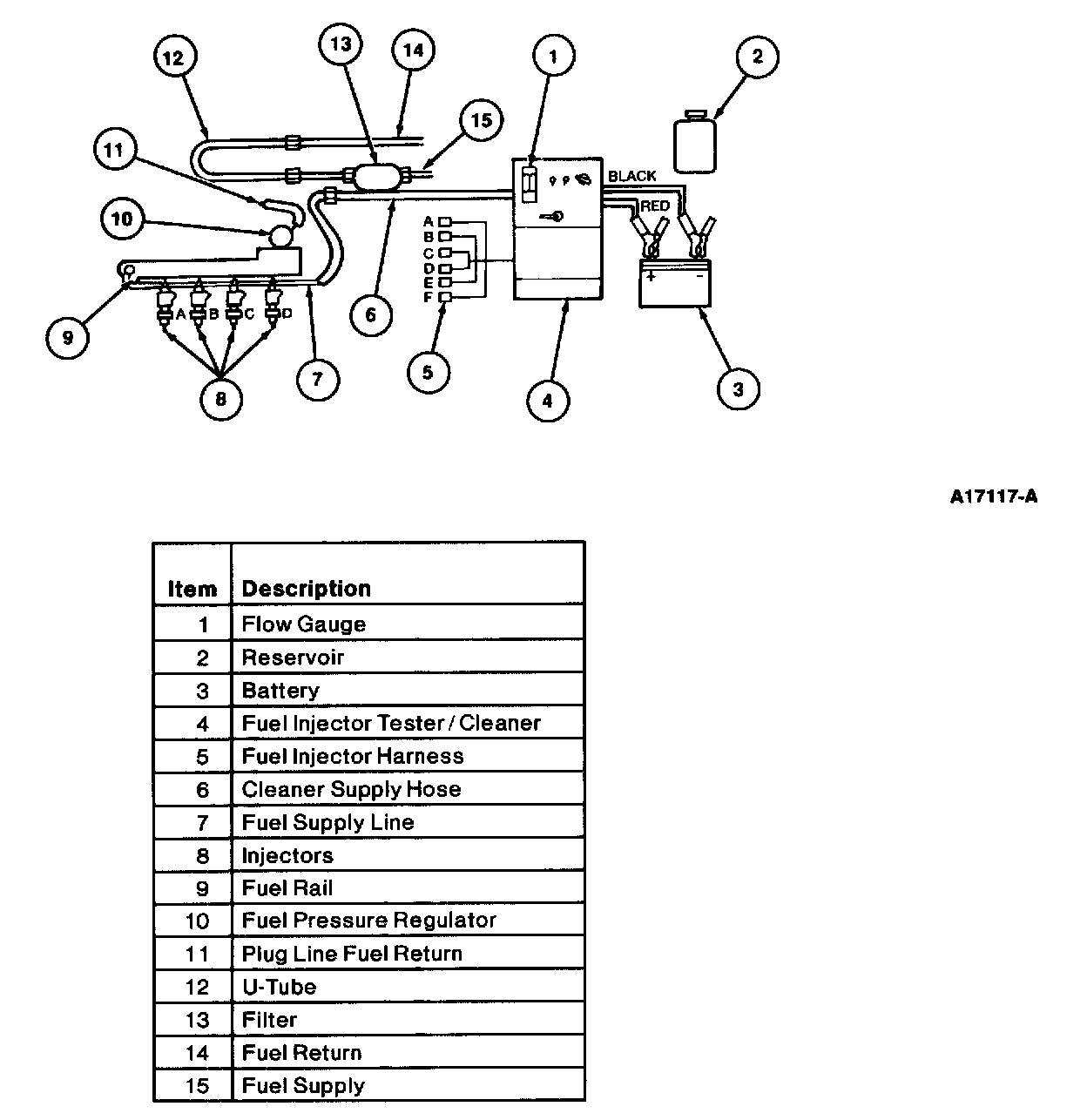
Tests HC: Fuel Delivery System
NOTEThis pinpoint test is intended to diagnose:
- Chassis components
- Engine vacuum
- Fuel pressure
- Fuel filter
- Fuel return
- Fuel supply
- Fuel injector
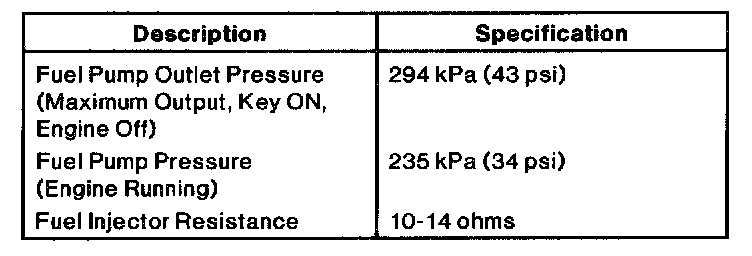
General Specifications:
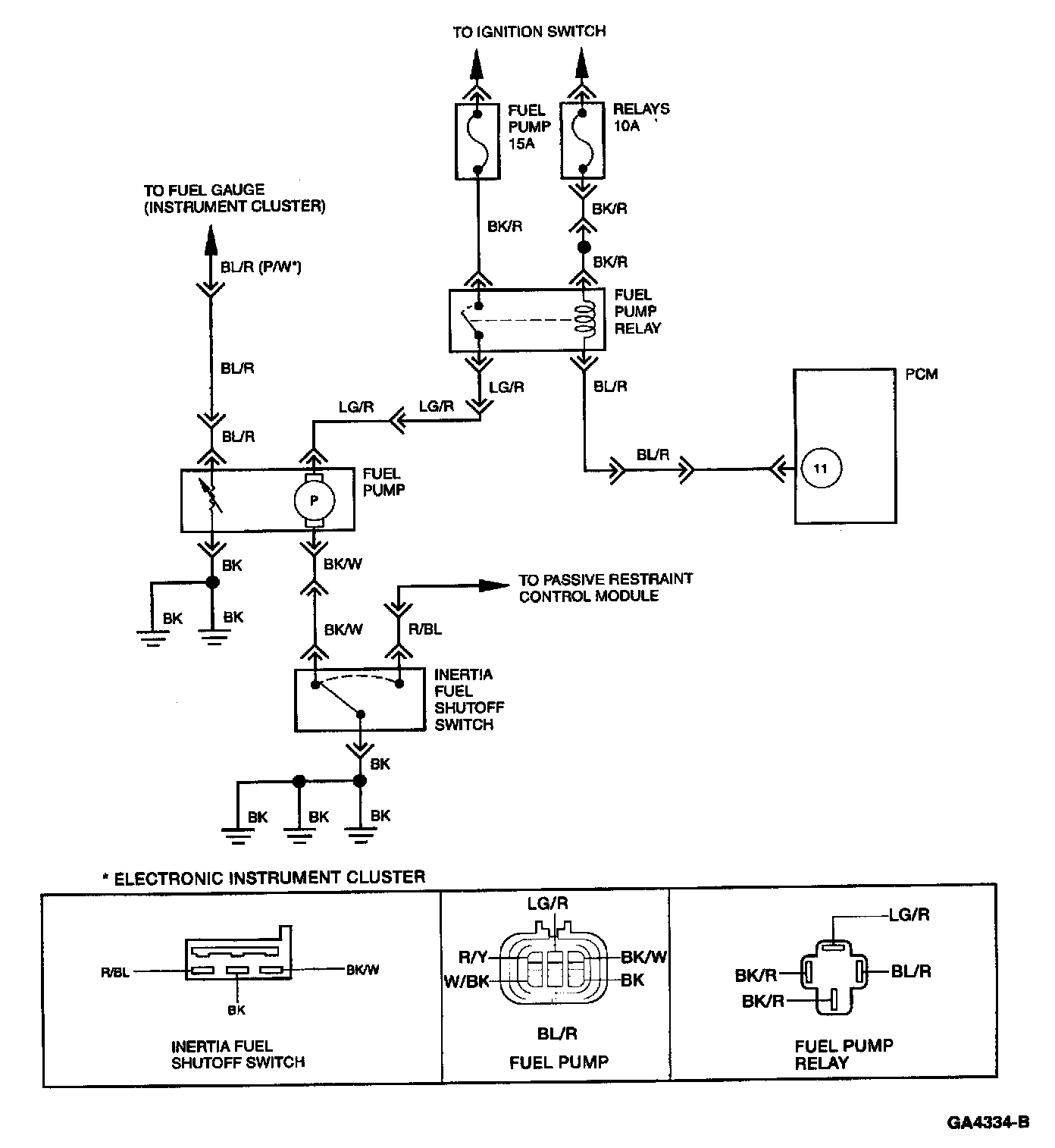
Pinpoint Test Schematic and Connectors:
System Inspection
Visual Inspection Chart:

1. Visually inspect the components of the fuel delivery system.
2. Exercise the wiring and connectors for the solenoids and other electrical components for obvious problems due to looseness, corrosion, or other damage.
3. If a component is suspected as the obvious cause of a fault, correct the cause before proceeding to the next step.
4. If all system inspection checks are OK, proceed to the pinpoint tests.
Fuel System Depressurization Procedure
WARNING: FUEL IN THE FUEL SYSTEM REMAINS UNDER HIGH PRESSURE EVEN WHEN THE ENGINE IS NOT RUNNING. TO AVOID INJURY OR FIRE, RELEASE THE FUEL PRESSURE FROM THE FUEL SYSTEM BEFORE DISCONNECTING ANY FUEL LINE.
INSTRUCTIONS
TO RELEASE THE PRESSURE FROM THE SYSTEM:
1. Remove the FUEL PUMP Relay, located in the engine compartment. Start the engine.
NOTE: If the engine does not start, crank it four or five times and GO to step 3. If the engine starts, GO to step 2.
2. After the engine stalls, crank the engine four or five times.
3. Turn off the ignition.
4. Install the fuel pump relay.
5. Use a rag as protection from the fuel spray when disconnecting the hoses. Plug the hoses after disconnection.
Symptom/DTC Chart:

CAUTION: Use care to prevent combustion from fuel spillage. No smoking, open flames or any kind of arcing.
SAFE FUEL HANDLING PRACTICES - GASOLINE, METHANOL AND METHANOL BLENDS
FIRE
- REPORT ALL FIRES to the appropriate authorities.
- Flames from methanol or methanol-gasoline blends MAY BE INVISIBLE.
- Know the locations of portable fire extinguishers, fire blankets, fire alarms and eyewash shower facilities. Learn how to use them.
- Use a B or AFFF (light water) type FIRE EXTINGUISHER to fight flammable liquid fires.
FIRST AID
- IF SWALLOWED:
- If GASOLINE has been swallowed, DO NOT induce vomiting. SEEK MEDICAL ATTENTION IMMEDIATELY!
- If METHANOL OR A METHANOL/GASOLINE BLEND has been swallowed, induce vomiting under the direction of a physician or Poison Control Center. SEEK MEDICAL ATTENTION IMMEDIATELY!
- When someone is overcome by vapors, if safe, MOVE VICTIM TO FRESH AIR. If not breathing, give artificial respiration or CPR (cardiopulmonary resuscitation) as appropriate. SEEK MEDICAL ATTENTION IMMEDIATELY!
- If splashed in eyes, FLUSH with large amounts of water for 15 minutes. Remove contact lenses, if worn. SEEK MEDICAL ATTENTION.
- If splashed on skin, remove contaminated clothing. WASH SKIN thoroughly with soap and water.
HEALTH
- ALL FUELS may be HARMFUL OR FATAL IF SWALLOWED.
- BE AWARE: if swallowed, onset of serious health effects may be delayed 12 to 24 hours.
- Fuels and products containing methanol (e.g., windshield washer fluid) may cause blindness if swallowed.
- ALL FUEL VAPORS may be harmful by inhalation.
- ALL FUELS may be harmful by skin absorption.
- ALL FUELS are irritating to the eyes and respiratory system.
- FUELS made with gasoline may contain benzene, which is a cancer-causing agent.
HANDLING
- USE FLAMMABLE LIQUID HANDLING PRECAUTIONS.
- DO NOT SMOKE or use heat/spark producing equipment near vapors.
- DO NOT eat, smoke or drink where fuel products are handled, processed or stored.
- Wear chemical goggles and nitrile gloves (additional protective clothing and equipment may be necessary in some instances).
- NEVER SIPHON BY MOUTH.
- Use in well-ventilated areas, and control vapors. Be aware that vapors are NOT visible, are heavier than air, can travel along the floor, and will settle in lower areas.
- keep flammable liquids in approved, labeled, closed containers.
- When transferring flammable liquids, BOND the receiving container to the source and GROUND the source to the earth.
- WASH HANDS thoroughly after handling any fuel.
SPILLS
- Notify the proper authorities in the event of any spill you have not been trained to clean up.
- STOP, CONTAIN, AND CLEAN UP small spills with an absorbent material.
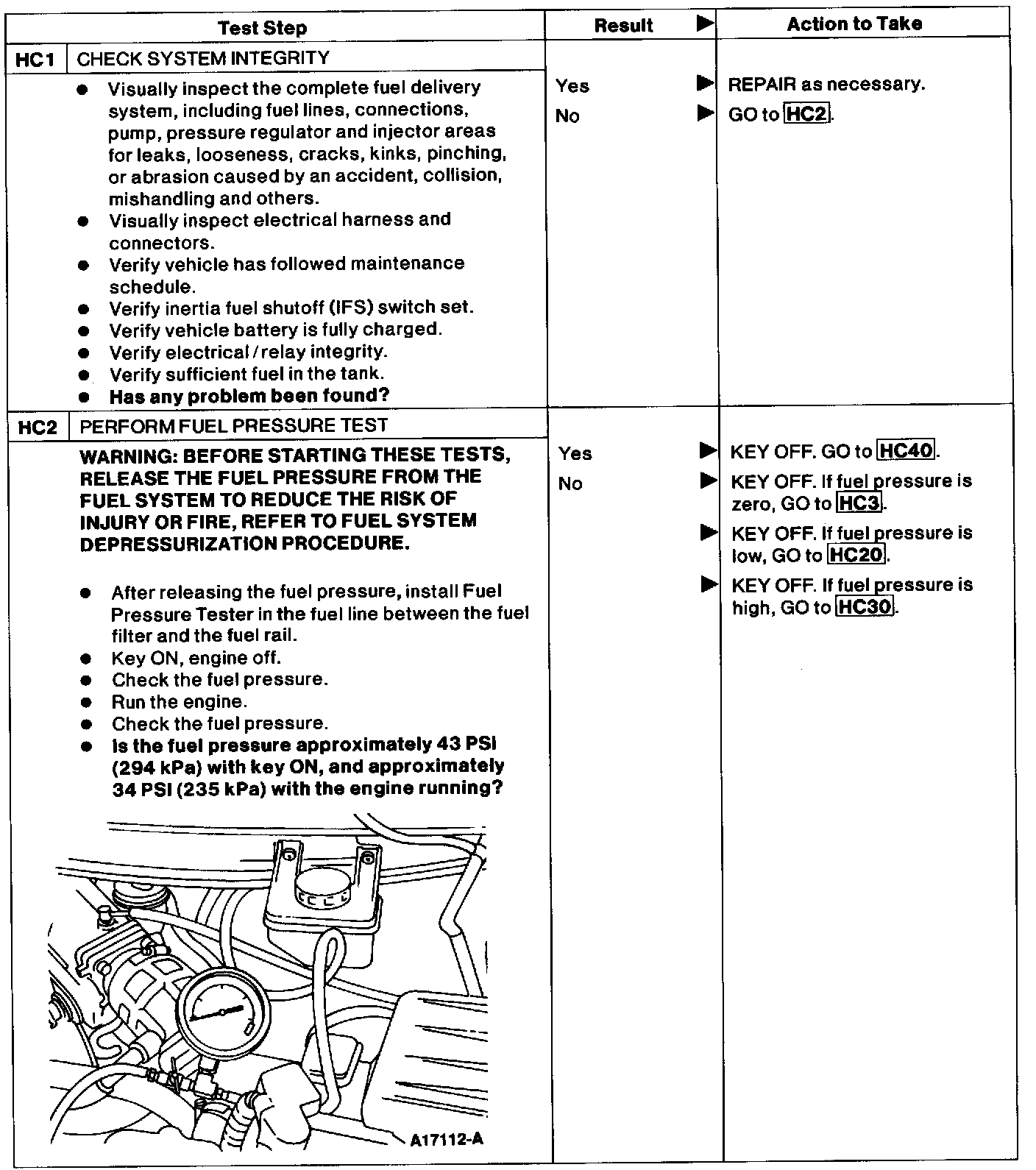
HC1 - HC2:
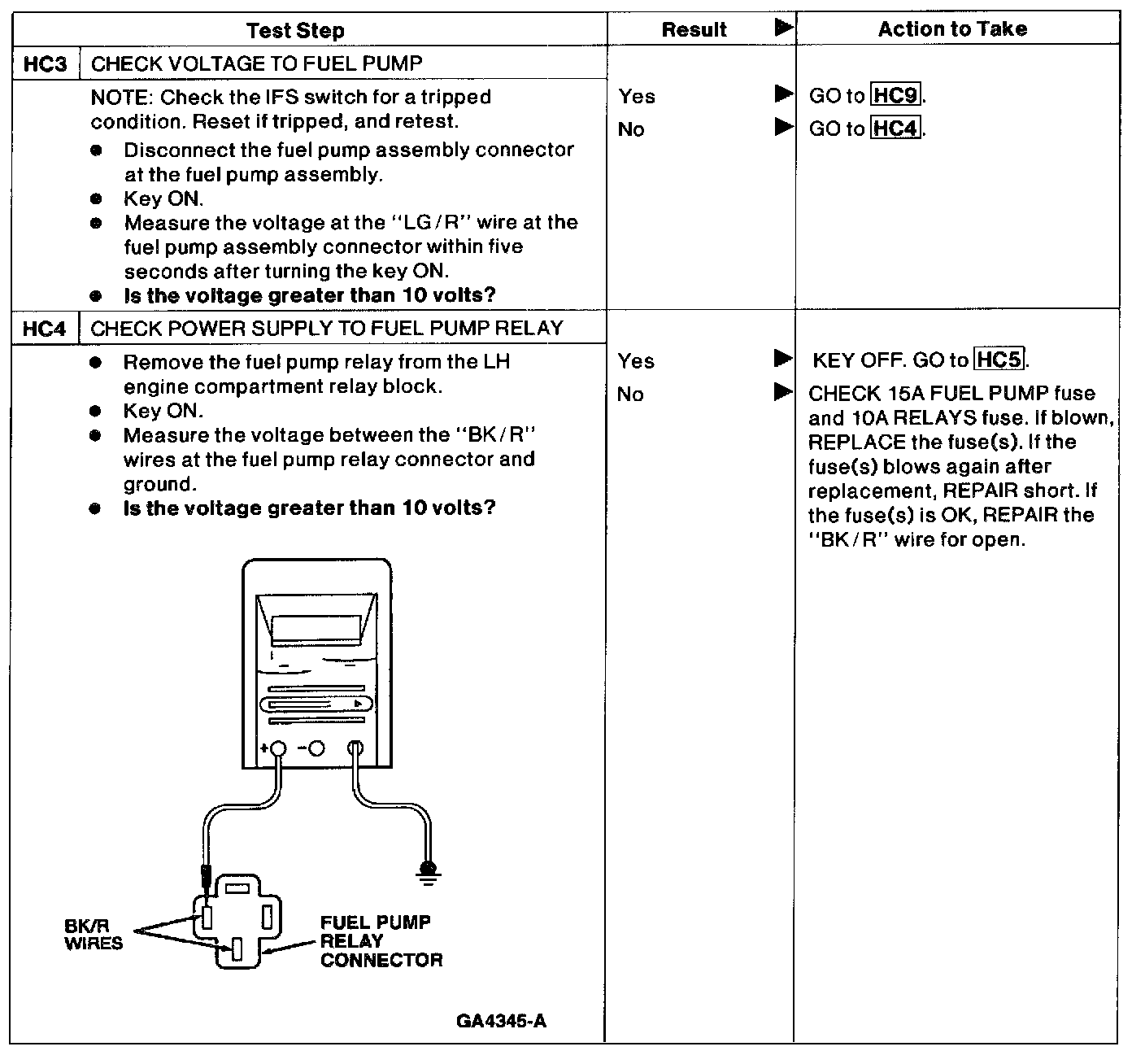
HC3 - HC4:
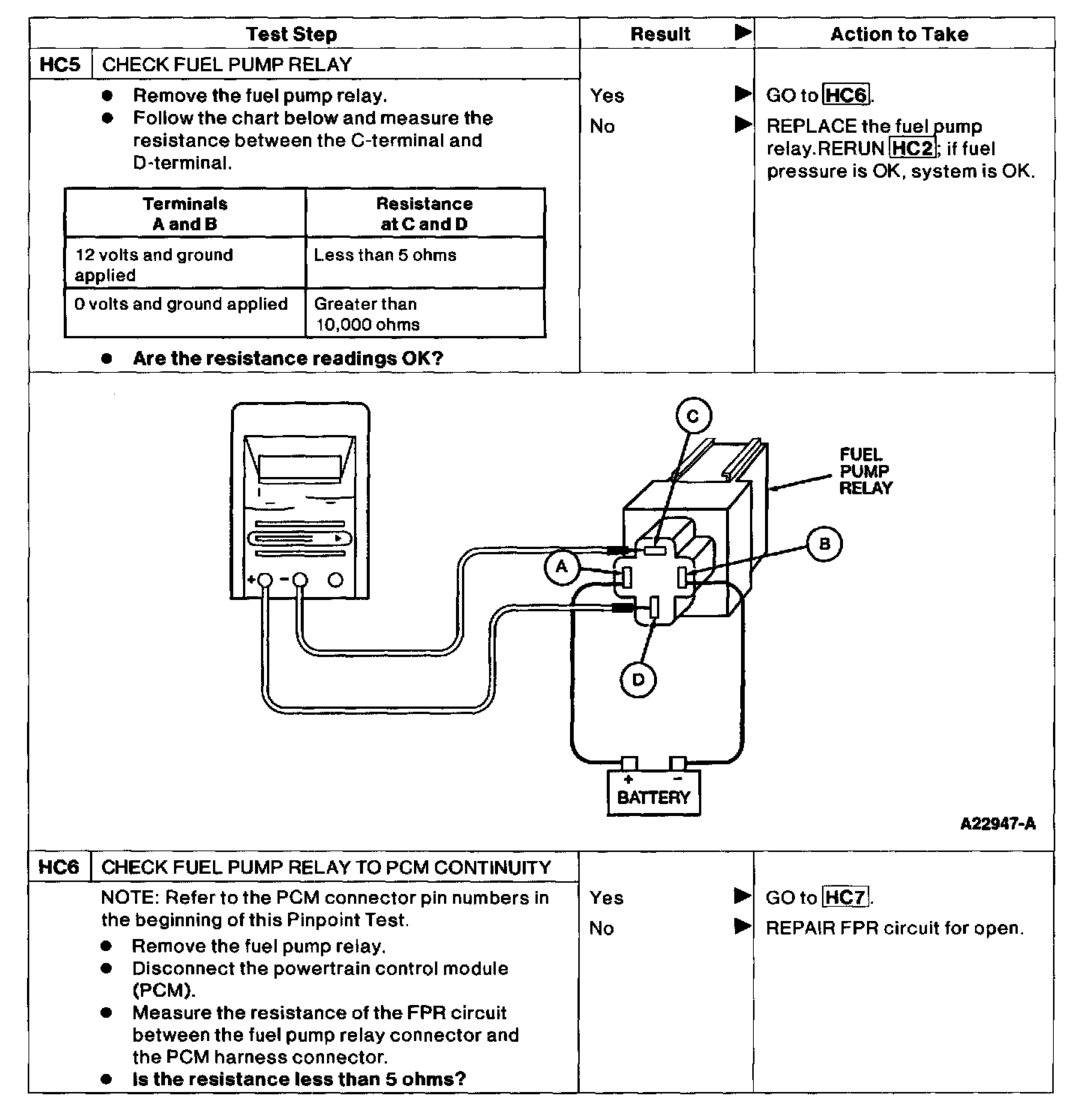
HC5 - HC6:
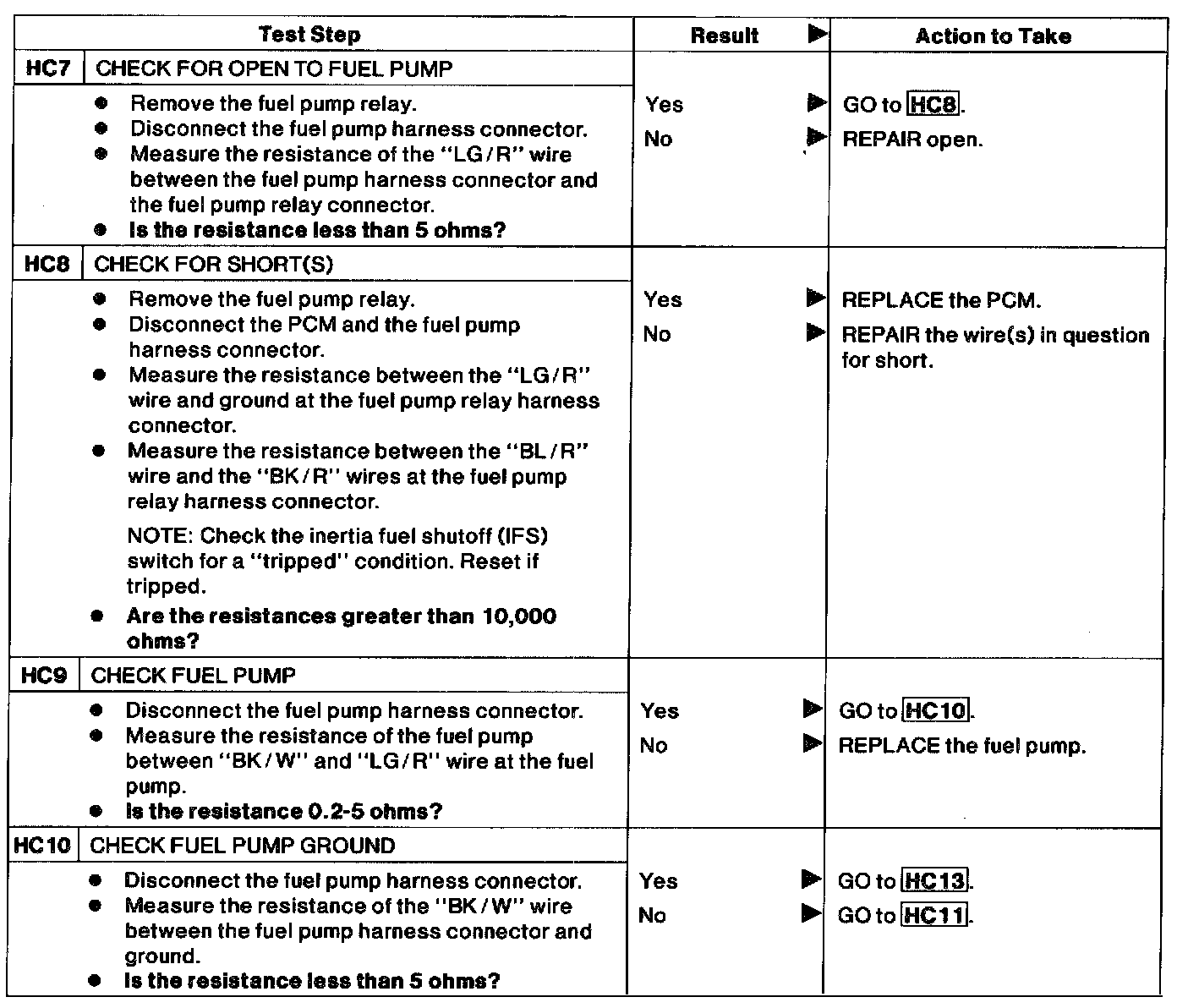
HC7 - HC10:
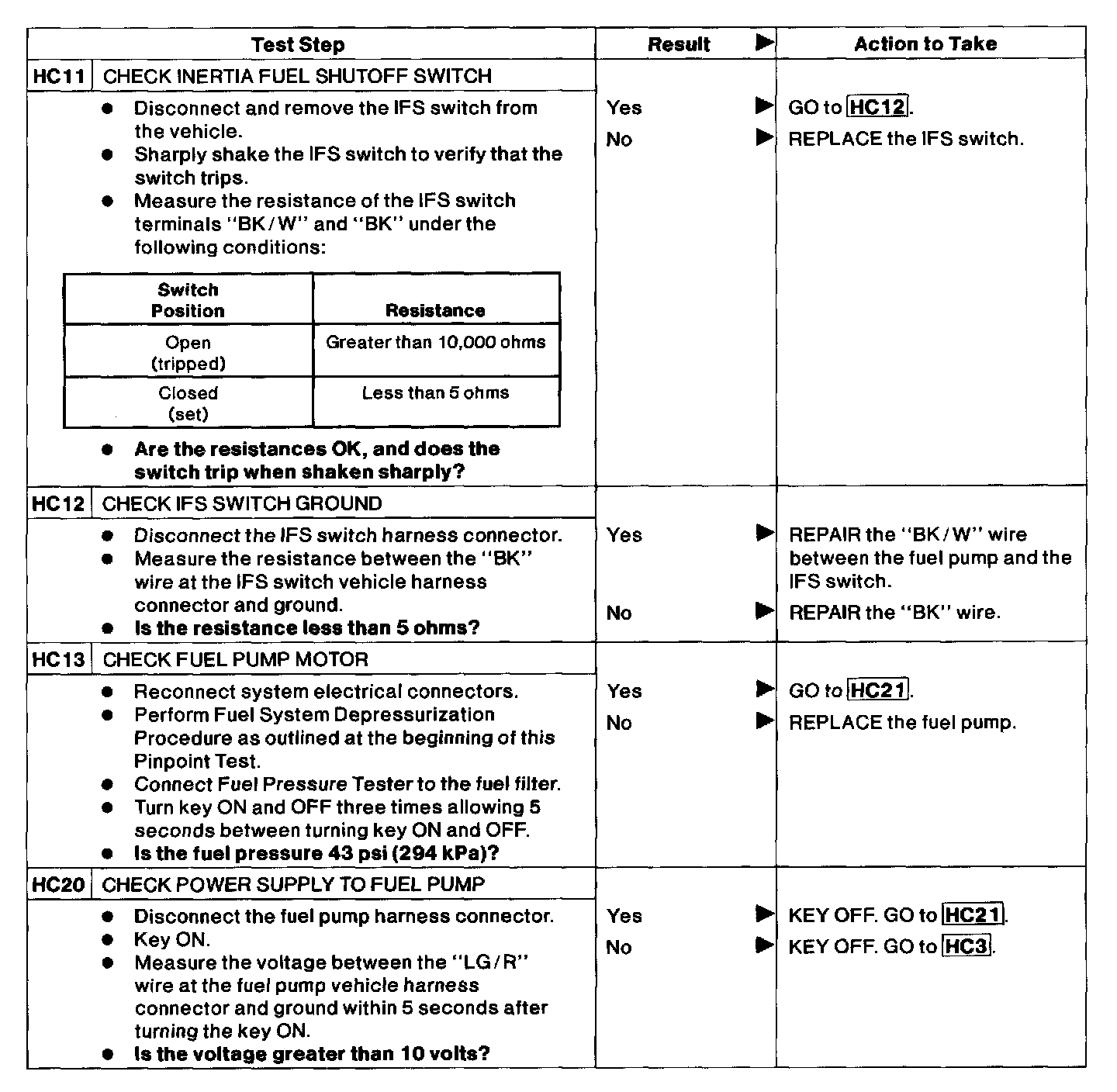
HC11 - HC13 And HC20:
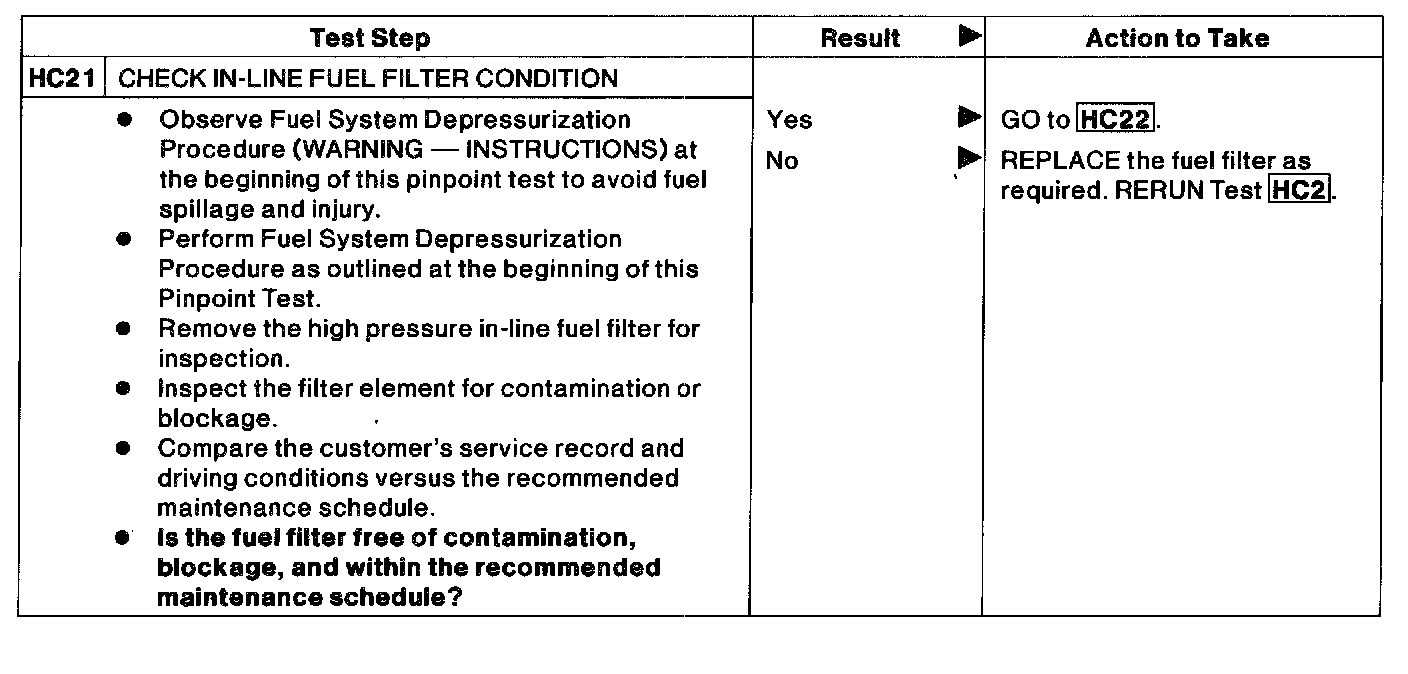
HC21:
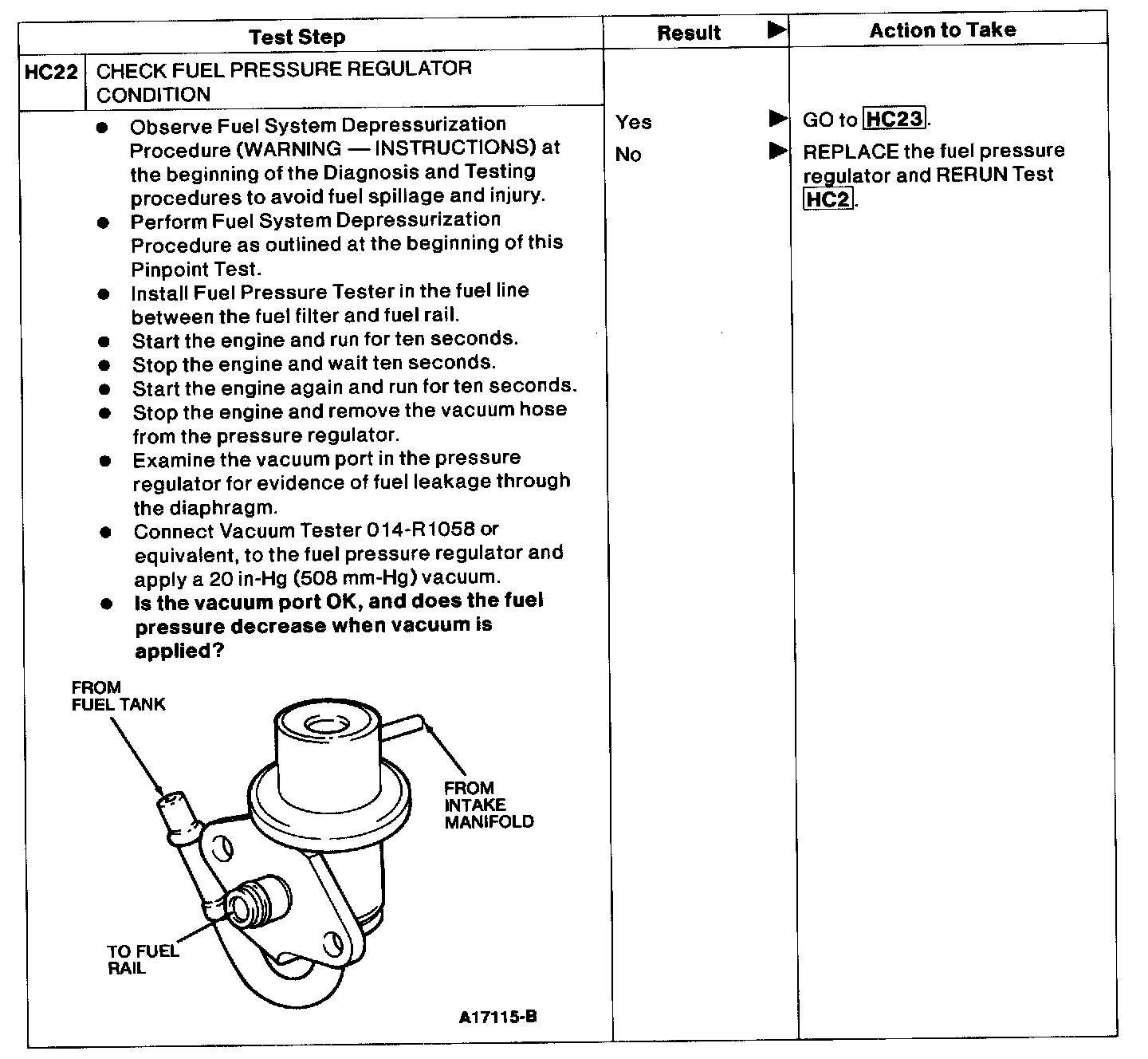
HC22:
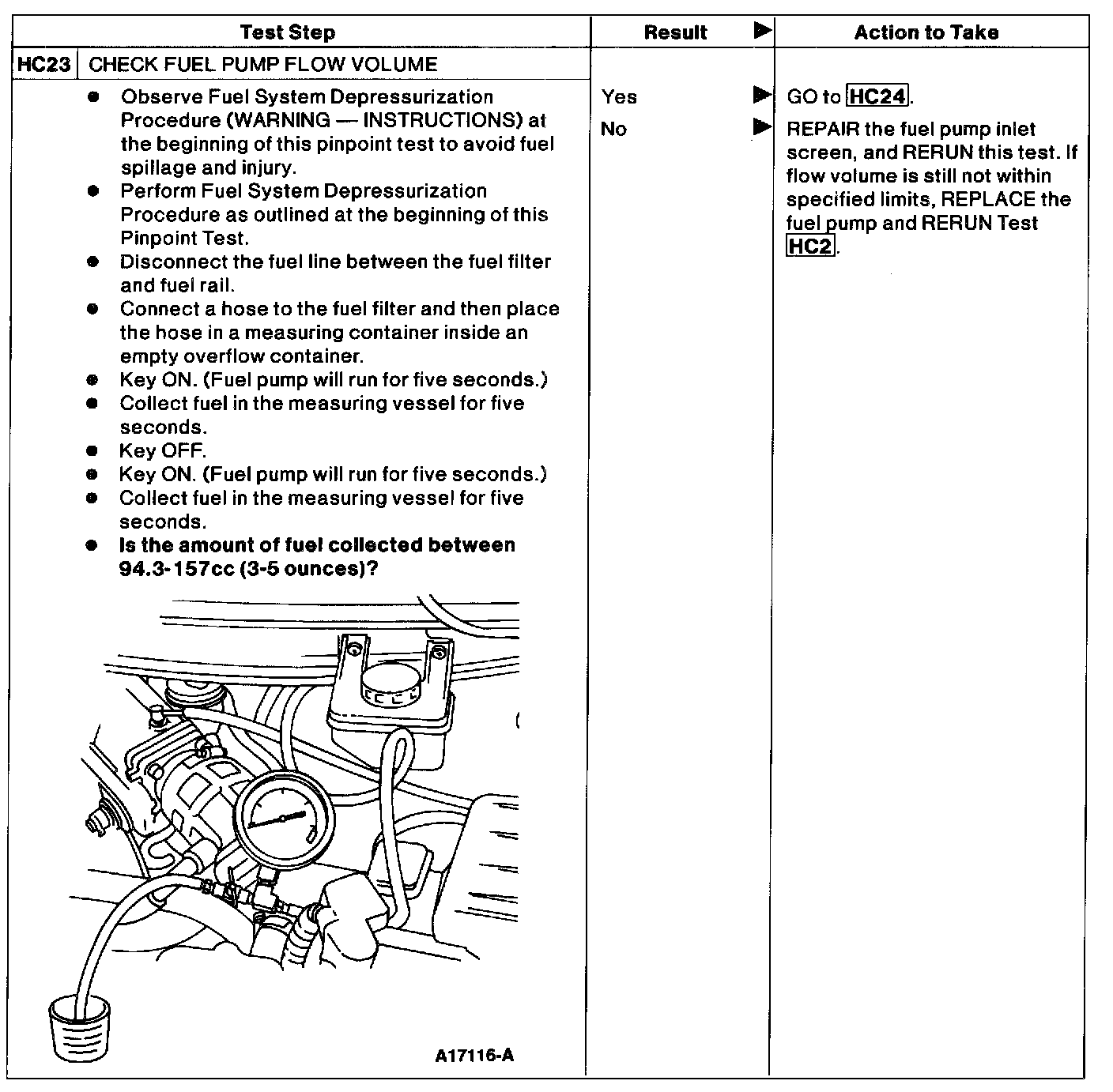
HC23:
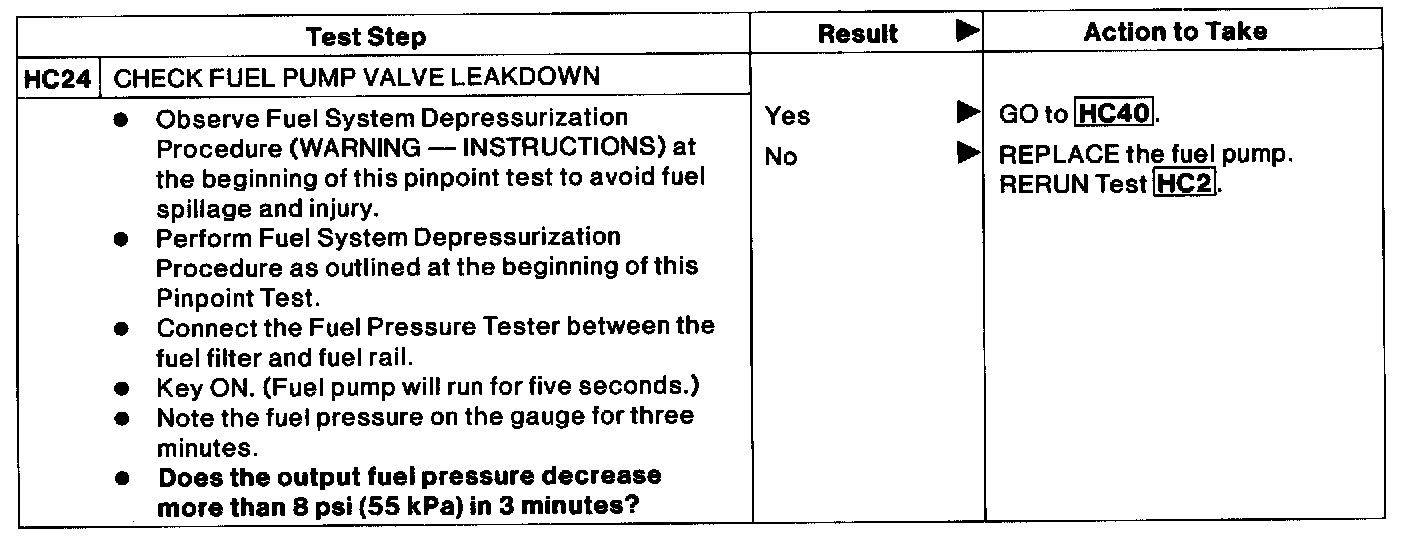
HC24:
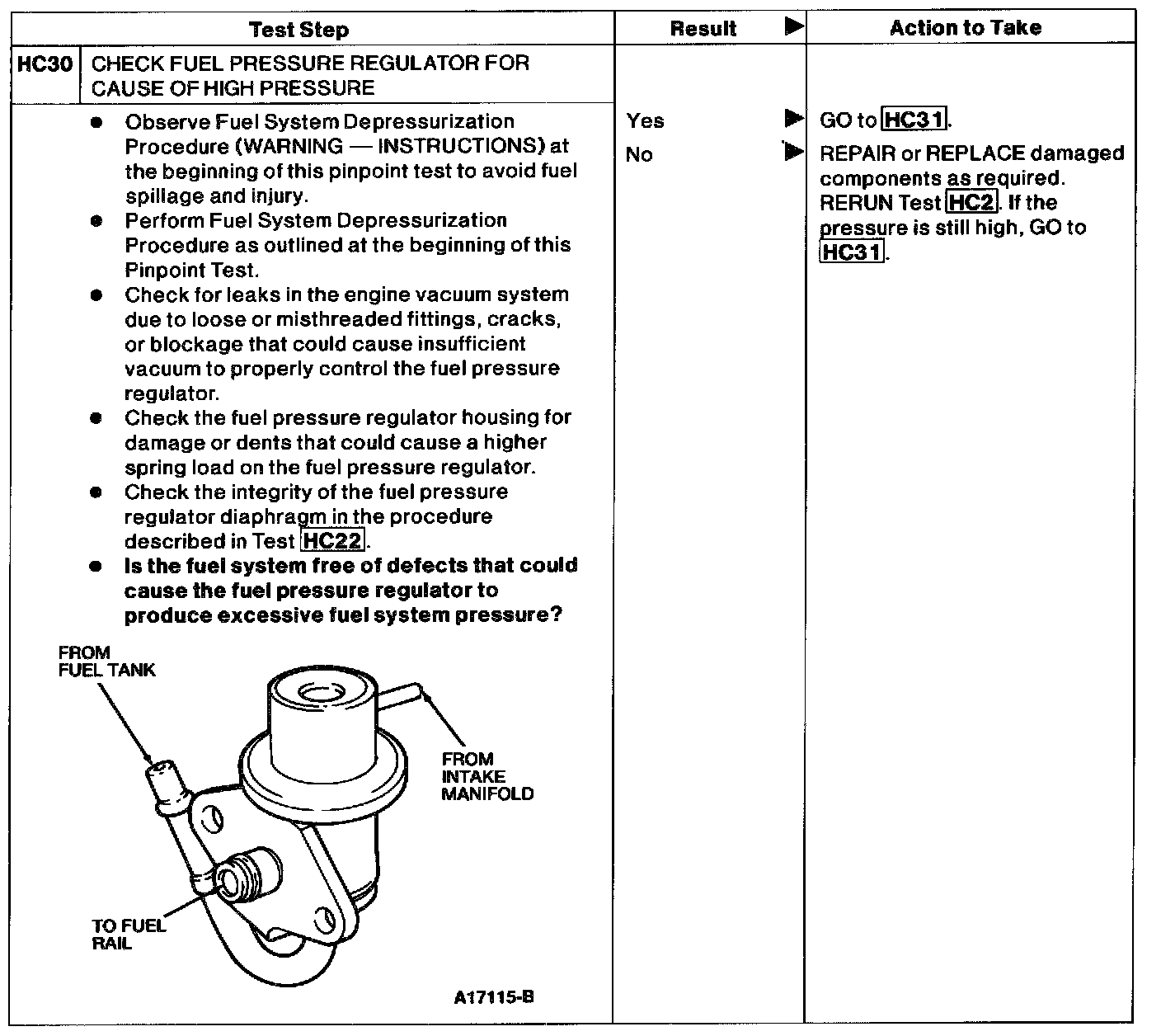
HC30:
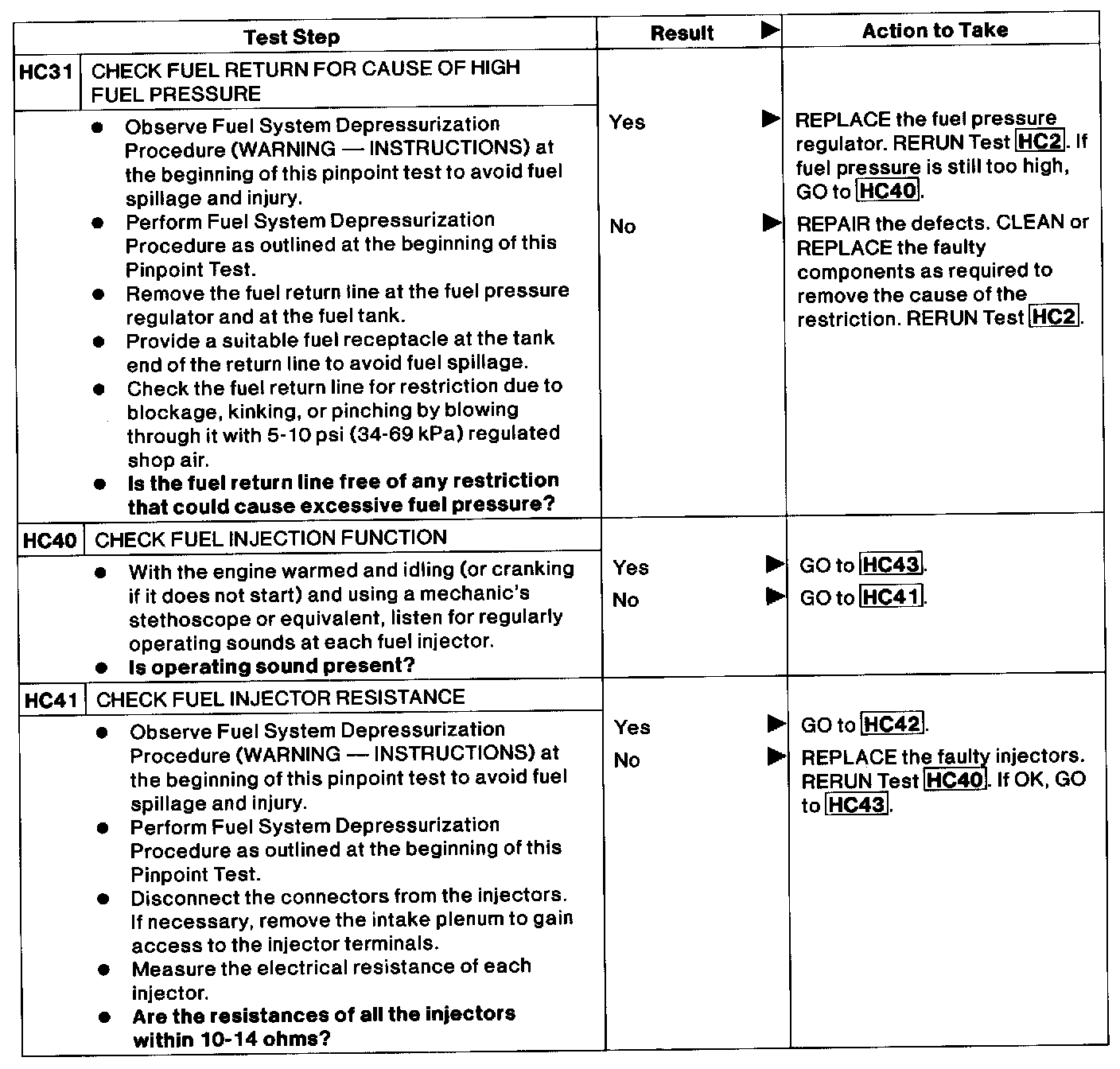
HC31 And HC40 - HC41:
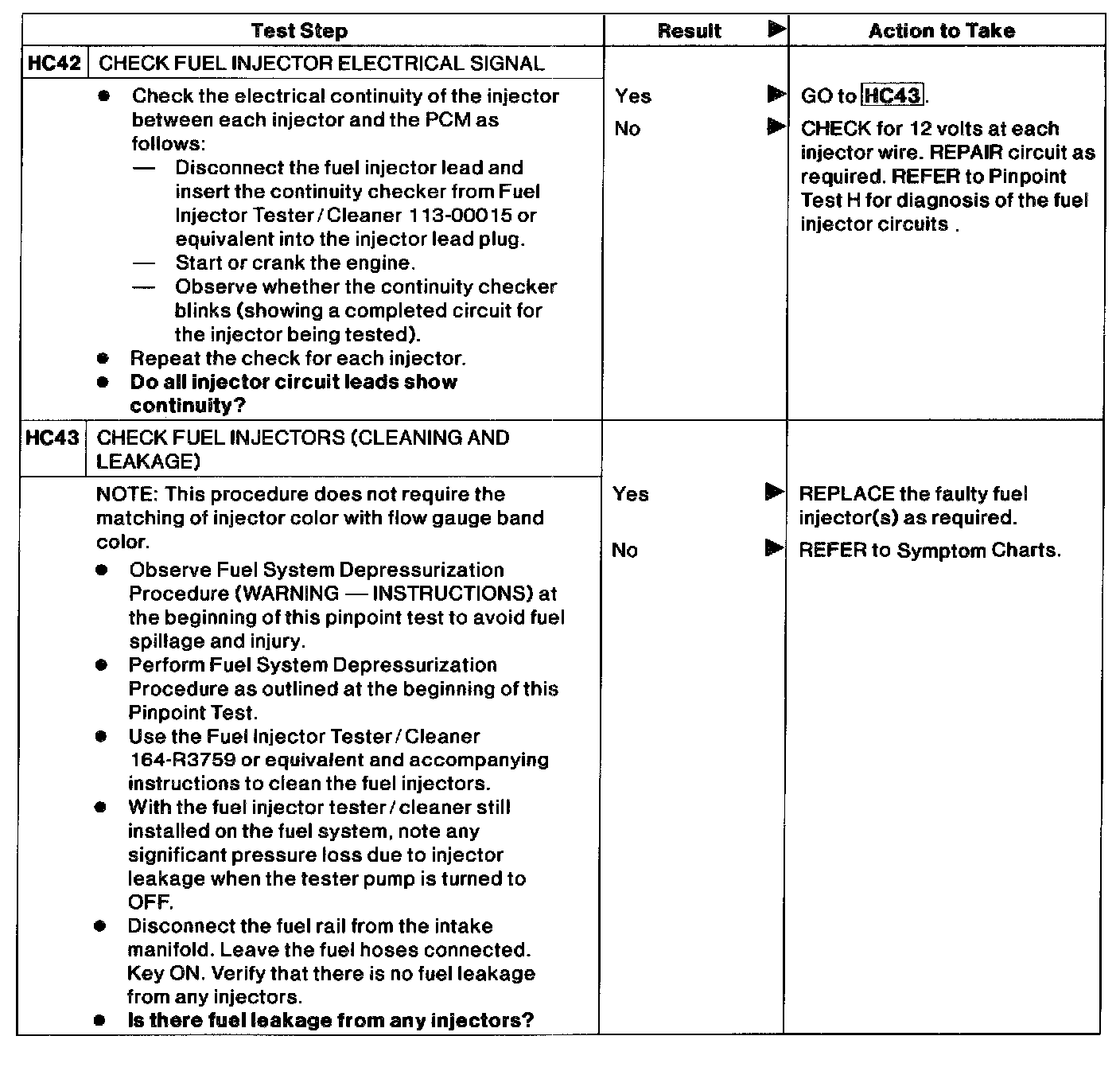
HC42 - HC43:
Fuel Injector Tester/Cleaner 164-R3759: